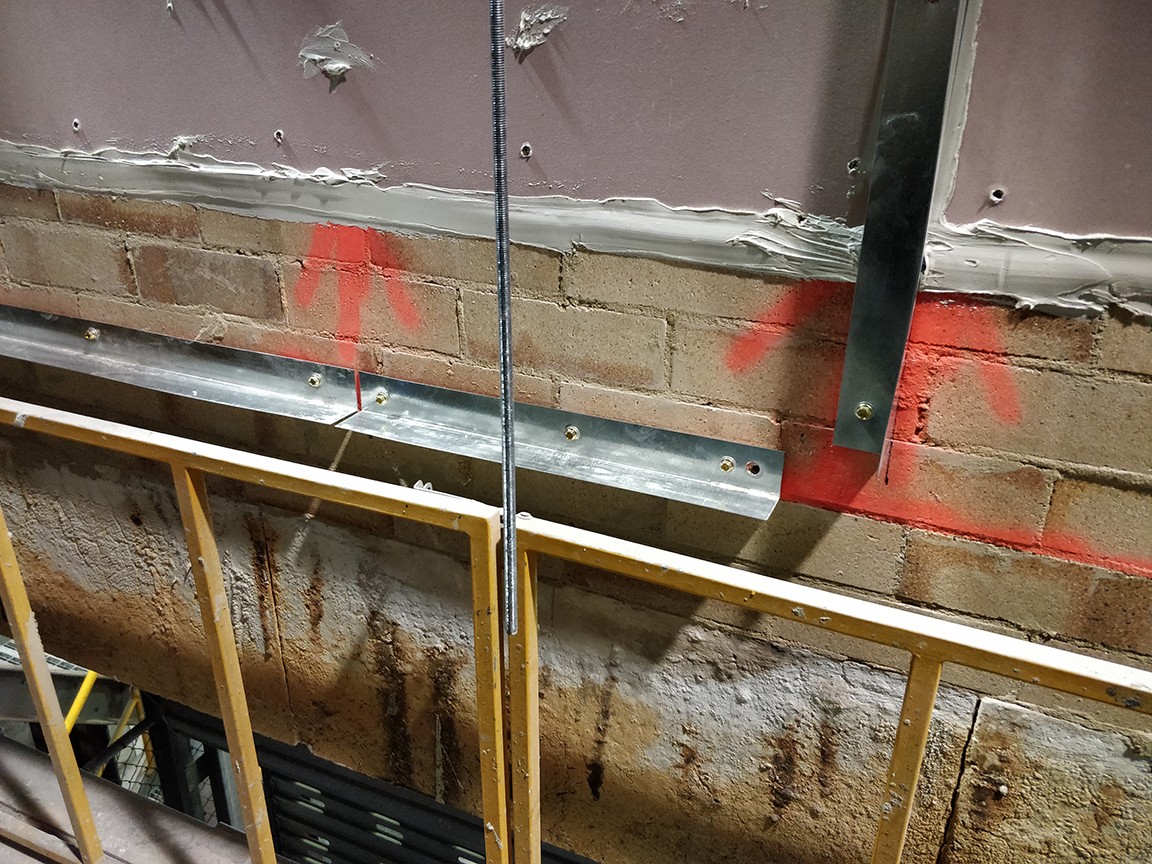
Common Mistakes in Passive Fire Protection Installation
Highlight
Common passive fire protection installation mistakes include poor firestopping, incorrect fire door installation, inadequate compartmentation, and use of non-certified materials. These errors can compromise evacuation safety and increase fire spread risks. Proper installation, skilled professionals, regular inspections, and compliance with fire safety standards are essential for reliable building protection.
Introduction
Passive fire protection is one of the most important components of modern building safety. It helps contain fire, prevent the spread of smoke, protect structural stability, and provide safe evacuation time during emergencies. Unlike active fire protection systems such as sprinklers and alarms, passive fire protection systems remain operational at all times because they are integrated directly into the building structure. These systems include fire-rated walls, fire doors, firestopping systems, smoke barriers, structural fireproofing, and fire-resistant coatings.
As India continues to experience rapid urbanization and infrastructure growth, the demand for reliable passive fire protection systems has increased significantly across commercial buildings, hospitals, industries, airports, data centers, hotels, and residential towers. However, even the best fire protection products can fail if installed incorrectly. Poor installation practices, lack of technical knowledge, use of substandard materials, and inadequate inspections often compromise the performance of passive fire protection systems.
Many fire incidents reveal that fire protection systems were either improperly installed, poorly maintained, or non-compliant with safety standards. Understanding the most common installation mistakes can help building owners, contractors, engineers, and facility managers improve fire safety and avoid costly failures during emergencies.
Lack of Proper Firestopping Around Penetrations
One of the most common mistakes in passive fire protection installation is improper sealing around cable trays, pipes, ducts, and conduits that pass through fire-rated walls and floors.
Buildings contain numerous service penetrations for electrical wiring, plumbing, HVAC systems, and communication cables. If these openings are not sealed correctly using certified firestopping systems, flames and smoke can spread rapidly between compartments.
- Use of non-certified sealants
- Leaving gaps around penetrations
- Improper installation techniques
- Damaged or incomplete firestop systems
Firestopping systems must always be installed according to manufacturer guidelines and tested fire-rating standards.
Incorrect Installation of Fire-Rated Doors
Fire-rated doors are essential for maintaining compartmentation and protecting escape routes during fire emergencies. However, improper installation is a major issue in many buildings.
- Incorrect door frame alignment
- Missing smoke seals
- Use of non-compliant hardware
- Improper gaps between door and frame
- Faulty self-closing devices
- Unapproved modifications
Even a certified fire-rated door may fail if installed improperly. Fire doors should always remain self-closing and unobstructed to ensure effective performance during emergencies.
Using Non-Certified Materials
Another major problem is the use of low-quality or non-certified passive fire protection products to reduce project costs.
Substandard materials may not provide the required fire resistance performance and can fail quickly during fire exposure.
- Fake fire-resistant sealants
- Non-tested fireproof coatings
- Poor-quality fire doors
- Inferior insulation materials
Only products tested and certified according to recognized standards such as UL, ASTM, EN, BS, or NBC guidelines should be used.
Inadequate Fire Compartmentation
Compartmentation is a key principle of passive fire protection. Buildings must be divided into fire-resistant compartments to prevent the rapid spread of flames and smoke.
- Missing fire barriers
- Incomplete wall sealing
- Open service shafts
- Unprotected ceiling voids
- Improperly sealed joints
Without proper compartmentation, fires can spread quickly throughout a building, making evacuation difficult and increasing property damage.
Improper Structural Fireproofing
Structural steel loses strength rapidly at high temperatures. Fireproof coatings and insulation systems help maintain structural stability during fire incidents.
- Uneven coating thickness
- Poor surface preparation
- Incorrect material application
- Lack of environmental protection
- Damaged coatings left unrepaired
In industrial facilities and high-rise buildings, inadequate fireproofing can increase the risk of structural collapse.
Failure to Maintain Fire Resistance Integrity
Passive fire protection systems often become compromised during renovations, maintenance work, or installation of new services.
- Cutting openings in fire-rated walls
- Removing firestopping materials
- Damaging fireproof coatings
- Replacing fire doors with non-rated doors
Contractors sometimes fail to restore fire protection systems after modifications, creating hidden vulnerabilities within the building.
Lack of Coordination Between Building Services
Modern buildings contain multiple systems including HVAC, electrical, plumbing, communication, and automation services. Poor coordination between these systems can create conflicts that compromise passive fire protection.
- Multiple penetrations through fire barriers
- Overcrowded cable trays
- Improper duct sealing
- Fire dampers incorrectly installed
Building Information Modeling (BIM) and coordinated design planning can help reduce these issues during construction.
Incorrect Installation of Fire Dampers
Fire dampers prevent flames and smoke from spreading through HVAC ducts during emergencies. Improper installation can render them ineffective.
- Incorrect positioning
- Obstructed damper movement
- Missing access panels
- Improper sealing around ducts
Fire dampers should always be tested and maintained regularly to ensure operational reliability.
Ignoring Manufacturer Guidelines
Passive fire protection products are tested under specific installation conditions. Ignoring manufacturer instructions can significantly reduce system performance.
- Mixing incompatible materials
- Improper fastening methods
- Using unapproved accessories
- Incorrect installation thicknesses
Installers should follow approved testing configurations and technical specifications precisely.
Poor Inspection and Documentation
Many buildings lack proper inspection and documentation procedures for passive fire protection systems.
- No installation records
- Missing certification documents
- Inadequate quality checks
- Lack of third-party inspections
Regular audits and documentation help ensure compliance and long-term system performance.
Lack of Skilled Installation Professionals
Passive fire protection requires specialized knowledge and training. Unfortunately, many projects rely on untrained labor without understanding fire safety requirements.
- Incorrect installations
- Use of wrong materials
- Non-compliance with standards
- Reduced fire resistance performance
Training and certification programs are essential for improving installation quality across the industry.
Neglecting Maintenance and Periodic Inspections
Many building owners assume passive fire protection systems do not require maintenance because they are permanently installed.
- Moisture exposure
- Corrosion
- Physical damage
- Renovation activities
- Wear and tear
Routine inspections help identify and repair deficiencies before emergencies occur.
Lack of Awareness Among Stakeholders
Developers, contractors, facility managers, and occupants sometimes underestimate the importance of passive fire protection systems.
- Reduced budgets for fire safety
- Acceptance of poor-quality work
- Delayed repairs
- Inadequate inspections
Industry awareness programs and professional education are critical for improving fire safety culture.
Importance of Compliance with Standards
Passive fire protection systems must comply with recognized fire safety standards and building regulations.
- National Building Code (NBC)
- NFPA Standards
- ASTM Standards
- UL Certifications
- EN and BS Standards
Compliance ensures systems are tested, certified, and capable of performing during real fire conditions.
Future Improvements in Passive Fire Protection Installation
The industry is increasingly adopting advanced technologies to improve installation quality and compliance.
- Digital inspection systems
- Smart fire monitoring technologies
- BIM-based fire safety planning
- Prefabricated firestop systems
- Sustainable fireproof materials
Improved regulations and training programs are also expected to strengthen fire safety practices across India.
Conclusion
Passive fire protection systems are essential for saving lives, protecting property, and maintaining structural stability during fire emergencies. However, improper installation can severely compromise their effectiveness. Common mistakes such as poor firestopping, incorrect fire door installation, inadequate compartmentation, use of non-certified materials, and lack of maintenance create serious fire safety risks.
To ensure reliable fire protection, building owners and contractors must prioritize proper installation practices, certified products, skilled labor, and regular inspections. As India continues to modernize its infrastructure, improving passive fire protection quality and awareness will play a major role in creating safer and more resilient buildings.