



The Hidden Cost of Poor Passive Fire Protection: Lessons from Building Fire Investigations
When a building fire makes headlines, public attention often focuses on the dramatic images of flames, firefighters battling the blaze, and the immediate loss of life and property. However, once the fire is extinguished, investigators begin a detailed examination to answer a crucial question: Why did the fire spread so rapidly?
Across the world, fire investigation reports consistently identify one recurring issue—the failure of passive fire protection systems. While active fire protection systems such as sprinklers, alarms, and extinguishers play an important role in controlling fires, passive fire protection (PFP) is the element that contains fire and smoke, protects structural integrity, and provides occupants with the time needed to evacuate safely.
The true cost of inadequate passive fire protection extends far beyond damaged buildings. It includes preventable fatalities, long-term business disruption, legal liabilities, insurance claims, environmental damage, and the loss of public confidence.
Beyond Compliance: A Life Safety Strategy
Passive fire protection is often perceived merely as a regulatory requirement that must be satisfied before obtaining an occupancy certificate. In reality, it is a comprehensive life safety strategy integrated into the building's design and construction.
Its objective is straightforward: contain the fire to its area of origin, maintain the stability of the structure, and slow the movement of smoke and heat.
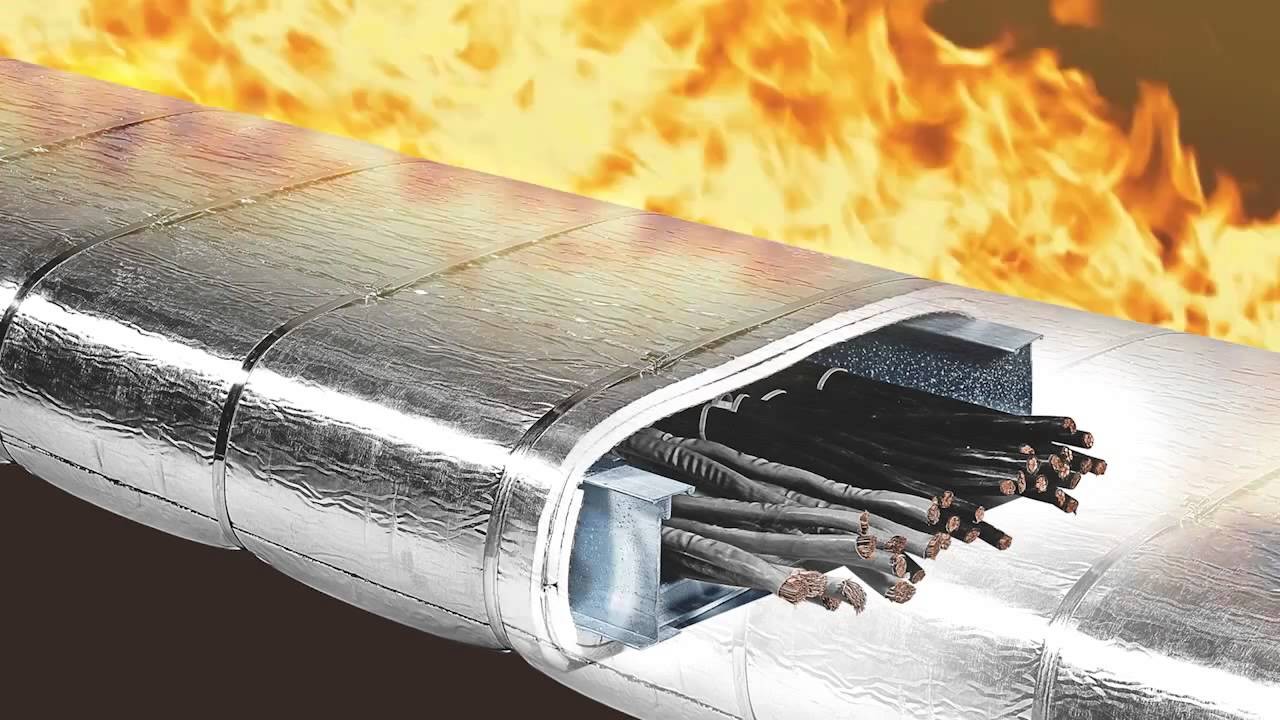
This is achieved through a combination of fire-rated walls, floors, doors, fire-resistant glazing, penetration sealing systems, cavity barriers, structural fire protection, and smoke compartmentation. These elements work continuously without human intervention or electrical power, making passive systems one of the most reliable forms of fire protection.
What Fire Investigations Commonly Reveal?
Post-fire investigations repeatedly uncover the same shortcomings across commercial buildings, residential towers, hospitals, industrial facilities, and educational institutions.
One of the most common findings is compromised fire compartmentation. Fire-rated walls are frequently breached by unsealed cable trays, plumbing pipes, HVAC ducts, or additional services installed after construction. Although these openings may appear insignificant, they become direct pathways for flames and toxic smoke, allowing the fire to bypass designed fire compartments.
Investigators also discover that many fire-rated doors have been replaced with non-certified alternatives, left permanently open, or altered in ways that reduce their fire resistance. A single non-compliant fire door can undermine an entire compartmentation strategy.
Another recurring issue is the absence or poor installation of firestop systems. Firestop products are tested as complete systems, yet on many projects substitutions are made without considering compatibility or certification. During a fire, these improvised solutions often fail long before the intended fire-resistance period.
Smoke: The Silent Killer
While flames capture attention, smoke is responsible for the majority of fire-related fatalities. Toxic gases and dense smoke spread rapidly through service shafts, ceiling voids, and poorly sealed penetrations, reducing visibility and making evacuation extremely difficult.
Effective passive fire protection limits smoke migration by maintaining compartment integrity and protecting escape routes. Properly installed smoke barriers, fire doors, and firestopping systems provide valuable time for occupants to reach safety and for emergency responders to operate under more controlled conditions.
Fire investigations repeatedly demonstrate that buildings with intact compartmentation experience significantly lower smoke spread and improved occupant survival.
Structural Failure: When Fire Weakens the Building?
One of the most severe consequences of inadequate passive fire protection is structural failure.
Steel, although non-combustible, loses strength rapidly when exposed to elevated temperatures. Without appropriate fireproofing such as intumescent coatings, cementitious protection, or fire-resistant board systems, structural steel can deform and eventually collapse.
Concrete structures are also vulnerable. High temperatures may cause explosive spalling, exposing reinforcement bars and reducing structural capacity.
Investigators frequently conclude that buildings where structural members lacked adequate fire protection suffered disproportionate damage, increased repair costs, and prolonged closure.
The Financial Impact of Passive Fire Protection Failures
The financial consequences extend well beyond rebuilding costs.
Business interruption often represents the largest economic loss following a major fire. Manufacturing facilities may halt production for months. Data centres risk permanent information loss and service disruption. Hospitals may be forced to relocate patients, while commercial buildings lose tenants and rental income.
Insurance premiums frequently increase after serious incidents, particularly when investigations identify code violations or inadequate fire protection measures.
Legal claims from occupants, employees, and clients can continue for years, creating financial and reputational damage that far exceeds the initial property loss.
Investing in properly designed and installed passive fire protection is therefore not merely a compliance expense it is a risk management strategy that protects lives, assets, and business continuity.
The Importance of Inspection and Maintenance
Passive fire protection systems require regular inspection throughout a building's life.
Renovations, equipment upgrades, and changes in occupancy frequently compromise compartmentation. Every new cable, pipe, or duct penetrating a fire-rated wall must be protected using a tested firestop system.
Routine fire safety audits should verify that fire doors remain operational, fire barriers are intact, penetration seals are undamaged, and documentation is maintained.
Building owners should establish a culture where passive fire protection receives the same level of attention as active systems such as sprinklers and alarms.
Learning from Every Fire
Every building fire provides valuable lessons for architects, engineers, contractors, facility managers, regulators, and building owners.
The most effective fire investigations do more than identify the cause of ignition—they evaluate how the building performed under fire conditions. Did the compartments contain the fire? Did fire doors function correctly? Were service penetrations adequately sealed? Did structural fire protection maintain stability for the required duration?
The answers to these questions help improve future building design and prevent similar failures.
Building a Fire-Resilient Future
India's rapid urbanisation, high-rise developments, healthcare expansion, data centres, industrial corridors, and smart city projects demand a stronger focus on passive fire protection than ever before.
Compliance with building codes should be viewed as the minimum requirement rather than the ultimate objective. Designers, developers, contractors, and facility managers must adopt a performance-driven approach that prioritises fire resilience throughout the entire building lifecycle.
A building cannot prevent every fire. What it can do is slow the spread of flames, protect its structure, safeguard evacuation routes, and provide occupants with precious time to escape. That is the true value of passive fire protection.
Every investigation into a major fire reinforces the same conclusion: when passive fire protection is properly designed, correctly installed, and diligently maintained, it transforms a potentially catastrophic event into one that is manageable. The lessons are clear—the hidden cost of neglect is simply too high, while the investment in passive fire protection continues to pay dividends in lives saved, assets preserved, and communities protected.