



The Role of Mineral Wool in Passive Fire Protection
As modern buildings become taller, more complex, and more densely serviced, passive fire protection has become a critical component of safe building design. Among the many materials used in passive fire systems, mineral wool has emerged as one of the most versatile and reliable solutions for improving fire resistance, compartmentation, and thermal insulation. Widely used in commercial buildings, industrial plants, transportation infrastructure, healthcare facilities, and high-rise developments, mineral wool plays an essential role in preventing the spread of fire and smoke during emergencies.
Mineral wool is a non-combustible insulation material manufactured primarily from natural rock, slag, or recycled mineral content. It is produced by melting raw materials at extremely high temperatures and spinning them into fine fibers that form dense insulation products. Due to its unique structure and thermal properties, mineral wool provides excellent resistance to heat, flames, and smoke spread, making it highly suitable for passive fire protection applications.
One of the most important characteristics of mineral wool is its non-combustibility. Unlike many organic insulation materials that can ignite, melt, or contribute to fire growth, mineral wool can withstand temperatures exceeding 1000°C without significant loss of performance. This ability allows it to maintain structural stability and compartmentation during severe fire exposure. In fire scenarios, mineral wool acts as a thermal barrier, slowing heat transfer and helping contain fire within designated compartments.
Fire compartmentation is one of the core principles of passive fire protection. Buildings are divided into fire-resistant zones using walls, floors, ceilings, and barriers designed to limit the spread of flames and smoke. However, these compartments are often penetrated by mechanical, electrical, and plumbing services such as pipes, ducts, cables, and conduits. Every penetration creates a potential path for fire spread if not properly sealed.
Mineral wool is widely used within firestop systems to seal these penetrations and maintain compartment integrity. In many tested firestop assemblies, mineral wool acts as a backing material combined with firestop sealants, coatings, or ablative compounds. The dense fibrous structure helps resist heat transfer while supporting the expansion of intumescent materials during fire exposure. This combination improves both insulation performance and smoke sealing capability.
The material is commonly used around cable trays, metal pipes, plastic pipes, HVAC ducts, and service openings in fire-rated walls and floors. In high-rise buildings with dense MEP infrastructure, mineral wool-based firestop systems are essential for preventing hidden fire spread through service penetrations.
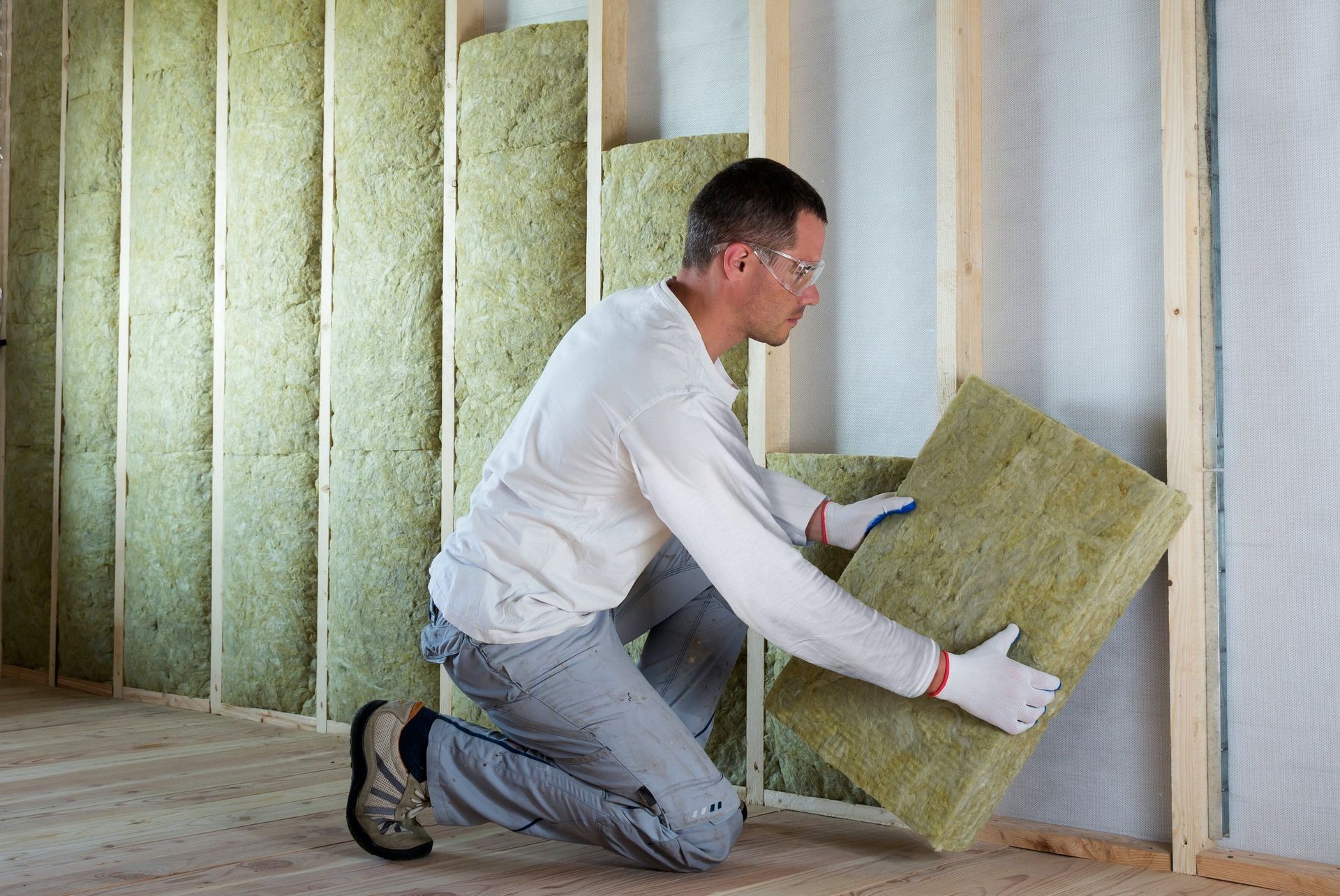
Another major application of mineral wool is in fire-rated partition and ceiling systems. Lightweight wall assemblies using gypsum boards and steel framing frequently rely on mineral wool insulation within cavities to improve both fire resistance and acoustic performance. The insulation helps reduce temperature transmission through the assembly during fire exposure while also limiting sound transfer between spaces.
This dual functionality makes mineral wool especially valuable in hospitals, hotels, educational institutions, offices, and residential buildings where both occupant comfort and life safety are important design considerations. In modern architecture, materials that provide multiple performance benefits are increasingly preferred because they improve efficiency and reduce system complexity.
Facade fire protection is another area where mineral wool has gained significant importance. Following several major international facade fire incidents, concerns regarding combustible insulation materials have increased dramatically. Many high-rise buildings previously used combustible foam-based insulation systems that contributed to rapid vertical fire spread.
Mineral wool, due to its non-combustible nature, is now widely recognized as a safer alternative for facade insulation systems. It is commonly used in rainscreen cladding assemblies, cavity barriers, curtain wall systems, and external wall insulation applications to improve both thermal efficiency and fire performance. By resisting ignition and limiting flame propagation, mineral wool helps reduce facade fire risks in tall buildings.
Industrial facilities also rely heavily on mineral wool for passive fire protection. Petrochemical plants, power stations, refineries, and manufacturing facilities often operate under extreme temperatures and high fire risk conditions. Mineral wool insulation is used to protect equipment, cable trays, ductwork, storage tanks, and structural elements exposed to elevated heat conditions.
In tunnel and infrastructure projects, specialized high-density mineral wool systems are used to protect concrete structures and critical services against hydrocarbon fires, which generate significantly higher temperatures than standard building fires. These systems help maintain structural integrity and improve evacuation safety during emergencies.
Another important advantage of mineral wool is its smoke performance. During fires, smoke inhalation is often more dangerous than direct flame exposure. Unlike some combustible insulation materials that release toxic smoke and gases when burned, mineral wool generates minimal smoke and does not contribute significantly to toxic combustion products. This characteristic improves occupant survivability and supports safer evacuation conditions.
Durability and dimensional stability further enhance mineral wool’s suitability for long-term passive fire applications. The material resists shrinkage, cracking, and thermal degradation under normal operating conditions. It also performs well in environments exposed to vibration, mechanical stress, and temperature fluctuations. In many fire-rated systems, long-term stability is essential for maintaining certified performance throughout the building lifecycle.
However, despite its many advantages, proper installation remains critical. Mineral wool used in firestop systems must be installed according to tested and certified assembly requirements. Incorrect density selection, improper compression, incomplete packing, or incompatible sealants can compromise the overall fire resistance of the system. Passive fire protection systems are tested as complete assemblies, meaning even small installation deviations may affect compliance.
Testing and certification therefore play an important role in mineral wool applications. Firestop systems incorporating mineral wool are evaluated under international fire testing standards such as ASTM, UL, EN, and BS protocols. These tests assess integrity, insulation performance, smoke leakage, and structural stability under fire exposure. Building owners and consultants increasingly demand certified systems to ensure compliance and reduce liability risks.
Sustainability is also contributing to the growing popularity of mineral wool in construction. Many mineral wool products contain recycled materials and support energy-efficient building design through improved thermal insulation performance. As green building standards and net-zero construction initiatives expand globally, demand for non-combustible and environmentally responsible insulation materials is expected to rise significantly.
In India, rapid urbanization, high-rise construction, data center growth, and infrastructure development are driving greater awareness around passive fire protection materials. Regulatory focus on compartmentation and facade safety is increasing steadily, particularly in premium commercial and residential projects. Mineral wool is expected to play a major role in supporting these evolving fire safety requirements.
The future of passive fire protection will increasingly depend on materials that combine fire resistance, durability, sustainability, and multi-functional performance. Mineral wool meets many of these demands, making it one of the most important materials in modern passive fire engineering.
Although often hidden behind walls, ceilings, and cladding systems, mineral wool quietly performs one of the most critical roles in building safety. During a fire emergency, its ability to resist heat, limit smoke spread, maintain compartmentation, and protect structural systems can significantly influence evacuation success and damage control.
As construction technology advances and fire safety expectations continue to rise, mineral wool will remain a cornerstone material in the development of safer, more resilient, and more sustainable buildings.