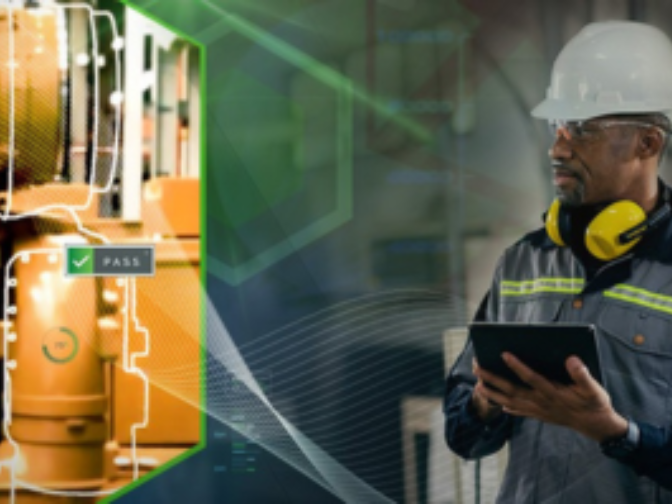
In the realm of building fire safety, passive fire protection (PFP) has traditionally been considered a static, set-it-and-forget-it approach. Unlike active fire systems such as alarms, detectors, and sprinklers, passive systems—like fire-rated walls, doors, dampers, ceilings, coatings, and penetration seals—are designed to contain and compartmentalize fire without requiring activation. However, this perception of PFP as a once-installed, maintenance-light solution is changing rapidly. Technological advancements, especially in Artificial Intelligence (AI), are ushering in a new era of intelligent, predictive maintenance for passive fire systems.
The challenge with conventional PFP systems lies in the long-term reliability of their materials and installations. Environmental stress, wear and tear, structural modifications, or improper repairs can all degrade fire-rated assemblies over time, often without visible signs. Many of these issues go undetected until an actual fire occurs—by which time it's too late. The need for smarter, data-driven maintenance strategies is now more urgent than ever, and AI has emerged as a promising solution to this growing concern.
AI-driven maintenance involves the use of machine learning algorithms, predictive analytics, Internet of Things (IoT) sensors, and digital twin technologies to continuously monitor the condition of passive fire protection elements. Machine learning allows systems to process historical and real-time data to recognize patterns and forecast potential failure points. For instance, if a specific fire-resistant seal tends to degrade faster in high-humidity environments, the AI can flag similar risks across other sections of the building with similar exposure. Over time, this learning becomes more precise and context-aware.
Digital twins are another key innovation in this landscape. These are dynamic virtual replicas of physical buildings that include architectural details, fire safety components, and environmental data. When linked with real-time sensors and AI, digital twins enable predictive modeling and risk assessment. Facility managers can simulate fire scenarios or maintenance interventions in the digital space, ensuring that decisions are made with a clear understanding of real-world implications. Passive fire protection elements, such as intumescent coatings or fire-rated barriers, can be virtually inspected and their degradation modeled over time, thereby reducing the guesswork in maintenance planning.
Smart sensors embedded within fire-rated assemblies further bolster the AI ecosystem. These sensors can measure temperature changes, humidity levels, pressure differentials, structural shifts, or the presence of micro-cracks in coatings and materials. By feeding this data into AI platforms, building managers receive timely alerts for maintenance needs or degradation risks. This approach transforms periodic, manual inspections into a continuous and automated monitoring process, increasing both efficiency and accuracy.
Real-world applications of AI in PFP maintenance are already underway in several sectors. In healthcare facilities, where uninterrupted operation is critical, hospitals have started using AI-integrated monitoring systems for fire doors. These systems continuously assess whether the door closes properly, whether the fire seals are intact, and whether there has been unauthorized modification to the assembly. In data centers, where fire events can result in catastrophic data loss, digital twins are used to assess the impact of fire on passive barriers and to optimize fire compartmentation layouts. In high-rise residential and commercial buildings in smart cities like Dubai and Singapore, passive fire components are being integrated into centralized Building Management Systems (BMS) that use AI to deliver actionable insights and automate maintenance schedules.
The benefits of AI-driven maintenance in passive fire systems are far-reaching. The foremost is enhanced reliability. Continuous monitoring ensures that issues such as deteriorated firestop seals or compromised coatings are addressed long before they pose real danger. This is especially vital in structures with high human occupancy or critical infrastructure. Another advantage is improved regulatory compliance. With increasingly stringent building and fire codes, AI platforms can automatically generate maintenance logs, inspection reports, and compliance documentation—streamlining audits and reducing the burden on facility teams.
Cost efficiency is another key driver. While AI integration may involve higher upfront investment, the long-term savings from reduced emergency repairs, fewer inspection hours, and avoidance of costly code violations can be substantial. Moreover, predictive maintenance reduces risk exposure, minimizing the potential for fire to spread due to unseen passive system failures. AI can also prioritize maintenance based on severity and usage, ensuring that resources are allocated to areas that genuinely need attention.
However, this integration of AI into passive fire safety does not come without its challenges. Initial installation of IoT sensors, the development of digital twins, and integration with legacy infrastructure require careful planning and capital investment. Many older buildings do not have the digital blueprints needed to support twin models, and retrofitting these systems can be both technically and financially demanding. Another hurdle is the lack of standardized frameworks for AI-based PFP monitoring. Without unified global standards, regulatory bodies may hesitate to accept AI-generated reports as valid proof of compliance, creating a gray area in enforcement.
Cybersecurity is also a growing concern. AI-based systems that control and monitor fire safety components must be safeguarded against data breaches and tampering. A compromised system could result in inaccurate risk assessments or intentional disabling of alerts, posing serious dangers in the event of a fire.
Despite these limitations, the future of AI in passive fire protection looks promising. Emerging trends include the use of AI-powered drones to inspect difficult-to-reach components, such as ceiling voids or external fire barriers in high-rise façades. These drones can transmit real-time data for AI analysis, reducing the need for human entry into hazardous areas. Augmented Reality (AR) is also being explored as a maintenance aid—technicians equipped with AR headsets can view live sensor data and digital overlays while performing on-site repairs. Block chain, too, is making its way into the fire safety domain by providing immutable records of inspections, material certifications, and maintenance histories, adding a layer of transparency and security.
In the long run, AI is poised to become a core pillar in the architecture of fire-safe smart buildings. It shifts the maintenance paradigm from reactive to predictive, enhances the credibility of passive fire systems, and aligns with broader goals of sustainability, resilience, and occupant safety. As AI continues to evolve and integrate deeper into building management ecosystems, its role in passive fire protection will no longer be an option—it will be a standard.
Passive fire safety may be built into the walls, floors, and ceilings, but with AI, it gains a voice, a brain, and a vision for the future. In a world that demands both safety and smart functionality, AI-driven maintenance of passive fire systems offers the best of both.