Trending
Directory
Time :





A key aspect in assessing fire-safety readiness lies in strategic compartmentalization—starting at the design stage and continuing through implementation, inspection, and maintenance. Effective compartmentalization is a cornerstone of Passive Fire Protection (PFP), helping to contain fire and smoke, thus buying crucial time for safe evacuation.
Among all PFP components, fire-rated doors are critical in stopping the spread of fire between compartments. This article explores their role, testing standards, and common failure points.
Whether it’s a glazed sliding door in a mall, a wooden door in a hotel room, or a steel door in a hospital OT, fire doors are designed to withstand fire for a set duration—typically between 20 minutes and 4 hours—depending on their rating and configuration.
Fire doors are rigorously tested under regional and international standards:
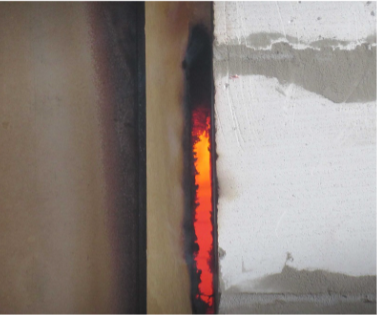
Figure 1: Failure at gap between door frame and wall
Certification is not just about fire testing—it's a quality assurance process:

Figure 3: The Certification Process
Even if a door passes fire testing, improper on-site installation may compromise its performance. ISO 17020-accredited inspection teams are essential to assess post-installation conformity and ensure field performance mirrors lab-tested conditions.
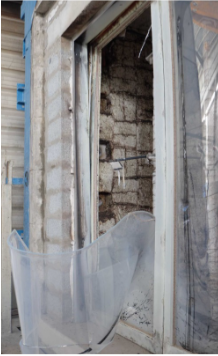
Figure 2: Failure due to glass separation in glazed doorset
Effective fire doors, when tested, certified, and installed properly, become the backbone of compartmentalization strategies. Their reliability ensures delayed fire spread, safer evacuation, and enhanced protection of life and property.
Building owners, facility managers, and fire safety professionals must work collaboratively to ensure fire doors are not just installed but validated and maintained as per national and international benchmarks.
Want to explore compliant, certified fire door solutions for your facility? Connect with our team for guidance on selecting and implementing the right passive fire protection strategy for your building.
With a very different concept, the magazine received tremendous and positive response. Passive Fire Safe India is the first magazine covering the Passive Fire segment. Passive fire protection involves Read More..
© Passive Fire Safe India. 2026 All Rights Reserved. Designed by VMH Web Solutions