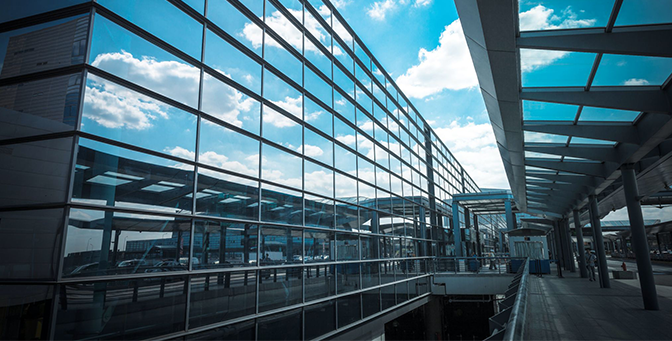
Curtain wall systems have become an essential feature of modern architectural design, offering a perfect balance of aesthetics, functionality, and safety. These non-structural cladding systems enhance a building’s appearance while providing energy efficiency, environmental benefits, and fire protection. This article explores how curtain wall systems contribute to architectural excellence while addressing crucial fire safety concerns.
1. Understanding Curtain Wall Systems
A curtain wall is an exterior covering of a building that is not load-bearing but serves as a protective barrier against environmental elements. It is typically made of lightweight materials such as glass, aluminum, or composite panels. Unlike traditional walls, curtain walls are affixed to the building’s structural framework and do not support floors or roofs.
Curtain walls are designed to withstand wind pressure, seismic forces, and temperature fluctuations while providing insulation and enhancing natural lighting. They are widely used in commercial buildings, skyscrapers, and high-rise residential structures due to their sleek, modern appearance and functional advantages.
2. Aesthetic Appeal and Design Versatility
Curtain walls offer architects and designers unparalleled flexibility in creating visually striking facades. With options ranging from fully glazed to opaque and semi-transparent materials, these systems provide opportunities for innovative architectural expression.
Additionally, modern curtain walls integrate seamlessly with building aesthetics, incorporating elements like tinted glass, metal finishes, and decorative panels. This versatility allows designers to achieve unique looks while ensuring buildings remain energy-efficient and environmentally friendly.
3. Energy Efficiency and Environmental Benefits
One of the key advantages of curtain wall systems is their ability to improve a building’s energy efficiency. Many curtain walls incorporate double or triple glazing, Low-Emissivity (Low-E) coatings, and insulated panels to reduce heat transfer, thereby lowering energy consumption.
By maximizing natural daylight while minimizing heat gain and loss, curtain walls contribute to reduced reliance on artificial lighting and HVAC systems. This results in lower energy bills and a smaller carbon footprint, aligning with global sustainability goals.
4. Enhancing Structural Performance
Although curtain walls do not bear structural loads, they significantly enhance a building’s overall performance. These systems provide:
- Weather Resistance: Curtain walls protect interiors from rain, wind, and UV radiation, ensuring long-term durability.
- Thermal Insulation: Properly designed curtain walls prevent excessive heat loss in winter and heat gain in summer.
- Acoustic Insulation: Multi-layered glazing and insulated panels reduce external noise, improving indoor comfort.
- Seismic Resistance: Curtain walls are engineered to accommodate building movement, preventing cracks and damage during earthquakes.
5. Fire Safety in Curtain Wall Systems
Despite their many advantages, curtain walls pose fire safety challenges, particularly in high-rise buildings. Fire can spread rapidly through gaps between floors and curtain wall assemblies, endangering occupants and compromising structural integrity.
Fire-Rated Materials and Components
To enhance fire safety, modern curtain walls incorporate:
- Fire-Resistant Glazing: Specially treated glass can withstand high temperatures and prevent flames from spreading.
- Fire-Rated Aluminum Framing: Certain alloys and coatings provide additional fire resistance.
- Intumescent Seals: These expand when exposed to heat, sealing gaps to block smoke and flames.
- Perimeter Firestopping Systems: Installed at each floor level, these barriers prevent vertical fire spread.
Compliance with Fire Safety Regulations
Strict building codes mandate the use of fire-resistant materials in curtain walls. Compliance with standards such as NFPA 285 (fire propagation testing) and BS 476 (fire resistance of building elements) ensures enhanced occupant safety. Architects and builders must prioritize certified fire-rated curtain wall solutions to meet regulatory requirements.
6. The Role of Curtain Walls in Sustainable Building Practices
Sustainability is a growing priority in modern construction, and curtain walls contribute significantly to green building initiatives. Key sustainability benefits include:
- Energy-Efficient Glazing: Reduces the need for heating and cooling, cutting energy consumption.
- Daylight Optimization: Enhances indoor comfort while reducing artificial lighting dependence.
- Recyclable Materials: Many curtain wall components, such as aluminum frames and glass panels, are recyclable, reducing environmental impact.
- Green Certifications: Buildings featuring energy-efficient curtain walls often qualify for LEED and BREEAM certifications, enhancing property value.
7. Challenges and Considerations in Curtain Wall Installation
Despite their advantages, curtain walls require careful planning and execution to ensure performance and safety. Key challenges include:
- Cost Considerations: High-quality curtain walls can be expensive, though long-term energy savings justify the investment.
- Maintenance Requirements: Regular cleaning and inspections are needed to maintain functionality and appearance.
- Fire Risk Mitigation: Proper installation of fire barriers and adherence to safety standards are crucial.
- Water and Air Infiltration: Poorly designed curtain walls can lead to leaks and compromised indoor air quality.
8. Future Innovations in Curtain Wall Systems
Advancements in material science and smart technology are driving the evolution of curtain wall systems. Some emerging trends include:
- Dynamic Glass Technology: Smart glass that adjusts transparency based on sunlight, enhancing energy efficiency.
- Solar-Integrated Curtain Walls: Photovoltaic panels embedded in curtain walls to generate renewable energy.
- Advanced Fire-Resistant Materials: New coatings and composites improve fire protection without compromising aesthetics.
- Self-Cleaning Glass: Reduces maintenance efforts and ensures long-term clarity.
Conclusion
Curtain wall systems continue to shape the future of modern architecture by balancing aesthetics, functionality, and fire safety. While they offer numerous benefits such as energy efficiency, sustainability, and enhanced structural performance, fire safety remains a key consideration. By incorporating fire-rated materials, adhering to safety codes, and leveraging innovative designs, architects and builders can ensure that curtain walls contribute to both stunning visual appeal and occupant protection.