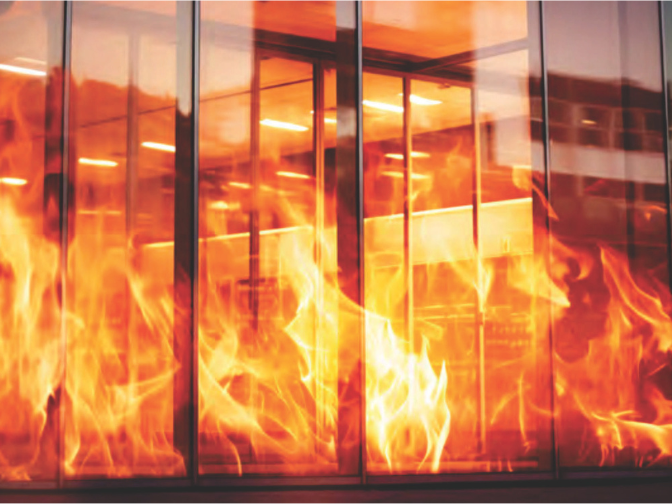
Fire-rated glazing, also known as fire-resistant glass, has revolutionized architectural design by seamlessly blending aesthetics with crucial fire safety features. This advanced glazing technology provides a period of protection against fire, smoke, and in some cases, radiant heat, allowing for the creation of open, light-filled spaces that still meet stringent safety regulations.
ENHANCEING SAFETY WITH DESIGN FREEDOM
Historically, fire safety measures often dictated design limitations, forcing the use of opaque materials or cumbersome fire doors. Modern fire-rated glazing overcomes these challenges by offering:
- Transparency and Light: Fire-rated glass provides clear visibility and allows natural light to penetrate deep into building interiors, fostering a sense of openness and brightness often associated with contemporary architecture.
- Aesthetic Integration: With advancements in glass technology and framing systems, fire-rated glazing can be seamlessly integrated into various designs, including frameless systems or those with narrow, sleek profiles. This minimizes visual disruption and maintains a unified aesthetic throughout the building.
- Design Flexibility:Fire-rated glass comes in various types, shapes, and sizes, allowing architects to incorporate it into a wide range of applications, such as interior partitions, fire doors, exterior facades, stairwells, and even glass floors.
- Versatile Applications:It is suitable for both internal and external applications and compatible with various framing materials like steel, aluminium, and even wood, further enhancing design possibilities.
BEYOND AESTHETICS: CRITICAL FIRE PROTECTION
While visually unobtrusive, the core purpose of fire-rated glazing is to provide vital fire protection:
- Containment: It acts as a barrier, containing fire and smoke within a specific area, preventing its spread to other parts of the building. This buys occupants valuable time for evacuation and allows emergency services to manage the fire more effectively.
- Life Safety: By slowing down the spread of fire and smoke, fire-rated glass extends evacuation time, potentially saving lives, according to VJF Systems. It also helps maintain visibility along escape routes, improving safety during emergencies.
- Code Compliance:Many building codes and regulations mandate the use of fire-rated materials in specific areas, and fire-rated glazing helps buildings comply with these requirements, notes the International Code Council - ICC.
- Property Protection:By compartmentalizing fire, fire-rated glazing can limit the damage caused by fire, smoke, and heat, protecting property and valuable equipment.
- Impact Resistance:Many fire-rated glass options are also impact-resistant, adding another layer of security and resilience, particularly in high-traffic areas.
TYPES OF FIRE-RATED GLAZING
Fire-rated glazing can be categorized into two main types based on their level of protection:
- Fire-Protective Glazing (E-Class):Offers integrity only, preventing the passage of flames
and hot gases but not insulating against heat transfer. It's typically used in areas where fire containment
is needed, but heat insulation is not the primary concern.
- Fire-Resistive Glazing (EI-Class):Provides both integrity and insulation, blocking the transfer of flames, hot gases, and radiant heat. It consists of multiple layers of glass with intumescent interlayers that expand under heat, forming an insulating barrier. These types are crucial for applications like fire-rated glass floors, where insulation against heat is vital for safety.
IMPORTANT CONSIDERATIONS
While fire-rated glazing offers numerous advantages, it's important to be mindful of certain aspects:
- Higher Cost:Fire-rated glazing typically comes with a higher cost compared to standard glass due to its specialized manufacturing processes and materials.
- Installation:Proper installation by certified professionals is crucial to ensure the effectiveness of fire-rated glazing systems. The entire system, including the frame, seals, and other components, must be compatible and work together to achieve the required fire performance.
- Size Limitations:Building codes often have maximum permissible sizes for fire-rated glazing to maintain the integrity of the fire barrier.
- Maintenance:Regular inspection and maintenance are essential to ensure the continued optimal performance of fire-rated glazing systems.
THE FUTURE OF ARCHITECTURAL DESIGN
Fire-rated glazing has transformed how architects approach fire safety and design, allowing them to create inspiring spaces that are both beautiful and safe. The ability to achieve open, naturally lit environments without compromising fire protection makes fire-rated glazing an invaluable tool for modern architectural design.