Highlight:
Passive fire protection materials are critical to enhancing structural safety by containing fires and preventing their spread. This article explores key materials—like fire-resistant boards, intumescent coatings, cementitious sprays, and firestop sealants—highlighting their properties, applications, and essential role in building design, code compliance, and long-term fire safety strategies.
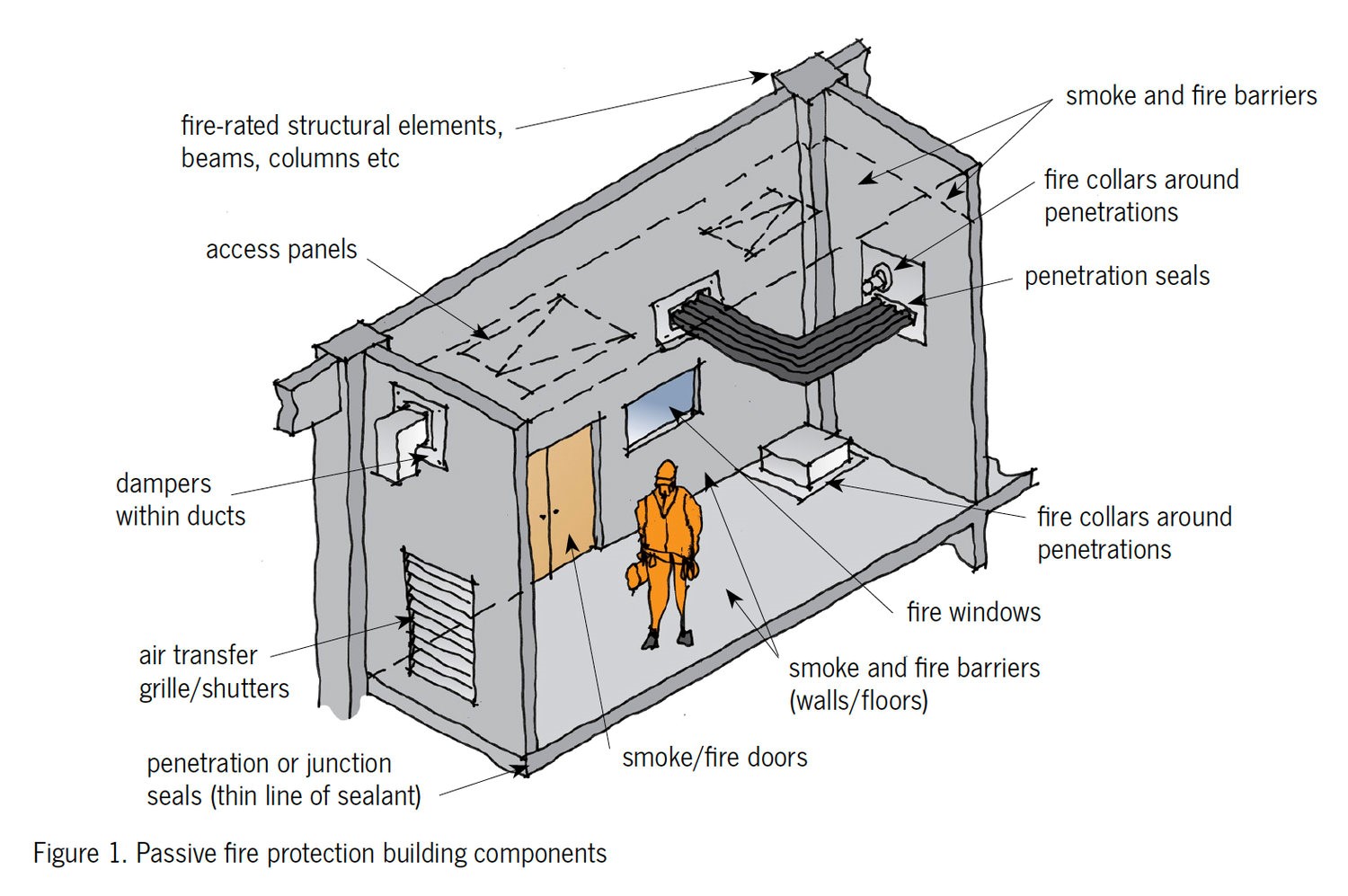
Passive Fire Protection (PFP) refers to building components and systems designed to prevent or slow the spread of fire, heat, and smoke without the need for human intervention. Unlike active fire protection (like sprinklers or extinguishers), PFP materials are built into the structure and provide round-the-clock defense. Selecting the right materials is vital for ensuring safety, meeting building codes, and minimizing fire-related damage. This article examines the most commonly used materials in passive fire protection systems, explaining their roles, properties, and advantages.
1. Intumescent Coatings
What It Is: An intumescent coating is a paint-like substance applied to structural elements (typically steel). When exposed to heat, it expands to many times its original thickness, forming a charred, insulating layer that protects the underlying material.
Applications:
• Steel beams and columns in commercial buildings
• Structural components in industrial facilities
• Architectural finishes where appearance is important
Advantages:
• Maintains structural integrity during fire
• Aesthetic flexibility—can be applied over decorative finishes
• Lightweight and easy to apply
2. Cementitious Fireproofing
What It Is: Cementitious fireproofing is a spray-applied mixture made of cement-based compounds, often mixed with lightweight aggregates. It forms a thick protective coating over structural steel and concrete surfaces.
Applications:
• Parking garages
• Stadiums
• High-rise buildings
Advantages:
• Excellent thermal insulation
• High fire-resistance ratings
• Cost-effective for large-scale projects
Limitations:
• Heavier than intumescent coatings
• Not suitable for areas with high aesthetic demands unless covered
3. Fire-Rated Boards and Panels
What They Are: These are pre-manufactured boards made from fire-resistant materials such as gypsum, calcium silicate, or magnesium oxide. They are used to build fire-rated partitions, walls, ceilings, and enclosures.
Applications:
• Server rooms and control centers
• Escape routes and staircases
• Fireproof enclosures for ducts and cables
Advantages:
• Fast and easy installation
• Provides both fire and acoustic insulation
• Versatile for different designs and dimensions
4. Firestop Sealants and Mortars
What They Are: Firestop materials are used to seal openings and joints in walls and floors that are created by pipes, cables, ducts, and other penetrations. These materials expand or resist fire to restore the fire-resistance rating of the barrier.
Types:
• Intumescent sealants
• Firestop putty
• Mortars and collars
• Firestop pillows and blocks
Applications:
• Hospitals and commercial buildings
• Industrial settings with heavy cable management
• Areas with HVAC penetrations
Advantages:
• Prevents fire and smoke from spreading
• Maintains compartmentation
• Ensures compliance with building codes
5. Fire-Resistant Glazing and Windows
What They Are: Specially engineered glass that remains intact and thermally insulating under fire exposure. Often part of fire-rated window and partition systems.
Types:
• Wired glass
• Gel-filled double glazing
• Intumescent laminated glass
Applications:
• Office partitions
• Escape routes and corridors
• Hospitals and schools
Advantages:
• Combines safety with visibility and daylight
• Maintains aesthetic appeal
• Certified fire-resistance ratings
6. Fire-Resistant Doors and Frames
What They Are: Constructed from fire-resistant materials such as steel, timber composites, or glass, these doors are designed to withstand fire and prevent its spread between compartments.
Applications:
• Residential and commercial entry points
• Corridors and staircases
• Lift lobbies and service areas
Advantages:
• Available in various fire-resistance ratings (30 to 120+ minutes)
• May include smoke seals, automatic closers, and fire-rated glass
• Essential for compartmentalization
7. Fire Dampers
What They Are: Mechanical devices installed in HVAC duct systems. They automatically close in response to heat or smoke, preventing the spread of fire through air ducts.
Applications:
• Commercial buildings
• Hospitals and hotels
• Industrial factories
Advantages:
• Prevents fire from traveling through ventilation systems
• Often works in combination with smoke detectors and alarms
8. Fire Blankets and Curtains
What They Are: Flexible fire-resistant fabrics that deploy automatically or manually to create barriers. They are used to compartmentalize open spaces temporarily during a fire.
Applications:
• Open atriums and lobbies
• Retail spaces
• Theatres and auditoriums
Advantages:
• Lightweight and flexible
• Invisible or hidden when not in use
• Effective in open-plan designs
9. Ablative Coatings
What They Are: Coatings that absorb heat and erode in a controlled manner to reduce temperature transmission. They are used in high-heat zones and to protect cables or equipment.
Applications:
• Electrical cabinets and cable trays
• Tunnels and data centers
• Power plants and offshore structures
Advantages:
• Protects equipment integrity during fire
• Suitable for harsh industrial environments
10. Insulated Fire Sleeves and Collars
What They Are: Fire-resistant wraps that surround plastic or metal pipes. They expand or contract in a fire to seal the gap and prevent fire passage.
Applications:
• Piping through fire-rated walls or floors
• Plumbing and drainage systems
• Industrial and residential buildings
Advantages:
• Easy to install
• Maintains fire resistance of penetrated walls/floors
• Especially crucial for plastic pipe penetrations
Conclusion
Choosing the right passive fire protection materials is crucial for any building’s fire safety plan. Each material—from coatings to boards to firestops—plays a unique role in resisting fire, protecting structures, and allowing safe evacuation. A successful passive fire protection strategy integrates multiple materials to achieve code compliance and ensure occupant safety.
As building designs grow more complex, architects and fire safety professionals must collaborate early in the planning phase to ensure the correct use of these materials. Though invisible once construction is complete, passive fire protection materials form the silent, life-saving backbone of every safe building.