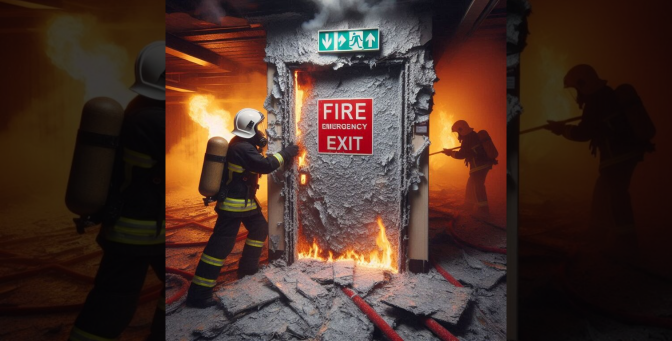
Passive fire safety is a crucial aspect of building design, yet many of its measures are often overlooked or underutilized. While active fire protection like alarms and sprinklers are highly visible, passive fire protection operates in the background, silently preventing the spread of fire and smoke. Ignoring these vital safety components can lead to devastating consequences, increasing fire hazards, property damage, and potential loss of life.
Understanding Passive Fire Protection
Passive Fire Protection (PFP) refers to built-in systems that help contain and slow down the spread of fire and smoke without requiring human intervention. These measures are integrated into a building’s structure and include fire-resistant materials, compartmentalization, and firestopping techniques. When properly implemented, PFP enhances the overall fire safety of a structure and provides occupants with crucial time to evacuate safely.
Key Passive Fire Safety Measures Often Overlooked
- Fire-Resistant Doors and Their Maintenance Fire-resistant doors are designed to withstand fire for a specific period, helping to prevent its spread. However, they often remain propped open or have missing intumescent seals, rendering them ineffective. Regular inspections and maintenance are essential to ensure they function as intended.
- Compartmentalization Failures Many buildings fail to maintain proper compartmentalization due to unsealed gaps, poorly installed fire barriers, or improper maintenance of fire-rated partitions. This allows fire and smoke to spread rapidly, negating the purpose of fire-rated walls and ceilings.
- Firestopping and Sealants Penetrations in walls and floors for cables, pipes, and ducts must be properly sealed with fire-resistant materials. Over time, these seals degrade or are compromised by renovations, leading to unprotected openings that facilitate fire spread.
- Use of Fire-Resistant Materials Selecting fire-resistant materials during construction is crucial, yet cost-cutting measures often lead to the use of non-compliant or inferior materials. Using fire-rated insulation, drywall, and coatings can significantly improve fire resistance.
- Fire Dampers in HVAC Systems Fire dampers are critical in preventing fire and smoke from traveling through air ducts. However, they often go unchecked, blocked, or improperly installed, leading to major fire hazards in commercial and residential buildings.
- Structural Fire Protection Buildings require fire-resistant coatings and sprays on structural elements to prevent premature collapse during a fire. The absence or deterioration of these protective measures increases the risk of structural failure.
The Consequences of Neglect
Neglecting passive fire protection measures can have severe consequences:
- Rapid Fire Spread: Unsealed gaps, compromised fire barriers, and faulty fire doors allow flames and smoke to travel quickly.
- Increased Property Damage: Without adequate compartmentalization and fire-resistant materials, fires cause extensive destruction.
- Higher Risk to Lives: Inadequate passive fire protection reduces evacuation time and increases the likelihood of injuries and fatalities.
- Legal and Compliance Issues: Building owners and developers may face legal repercussions for non-compliance with fire safety regulations.
Enhancing Awareness and Implementation
To ensure passive fire protection is not overlooked, the following steps must be taken:
- Regular Inspections and Maintenance: Periodic checks of fire doors, barriers, and dampers are necessary to maintain their effectiveness.
- Fire Safety Training: Building occupants and facility managers should be educated on the importance of passive fire measures.
- Compliance with Standards: Adhering to national and international fire safety codes helps in reducing fire risks.
- Collaboration with Experts: Engaging fire safety consultants and engineers ensures proper implementation and maintenance of passive fire measures.
Conclusion
Passive fire safety measures are the silent protectors of buildings, yet they are frequently neglected. Ignoring them can lead to catastrophic consequences. By prioritizing regular maintenance, using fire-resistant materials, and ensuring compliance with fire safety standards, we can significantly enhance fire safety and minimize risks.