Passive Fire Protection Products: The Silent Shiled of Building Safety
In the realm of fire safety, passive fire protection (PFP) stands as the quiet sentinel—ever-present, ever-vigilant, and often overlooked. Unlike active systems such as alarms, sprinklers, and extinguishers that respond to fire events, passive fire protection is built into the very fabric of a structure. It doesn’t activate or react; it simply exists, designed to resist fire, contain its spread, and protect lives and property. The effectiveness of passive fire protection lies in its diversity of products, each engineered to fulfill a specific role in the fire safety ecosystem. From fire-resistant walls to intumescent coatings, these products work together to ensure buildings remain safe, stable, and survivable during fire emergencies.
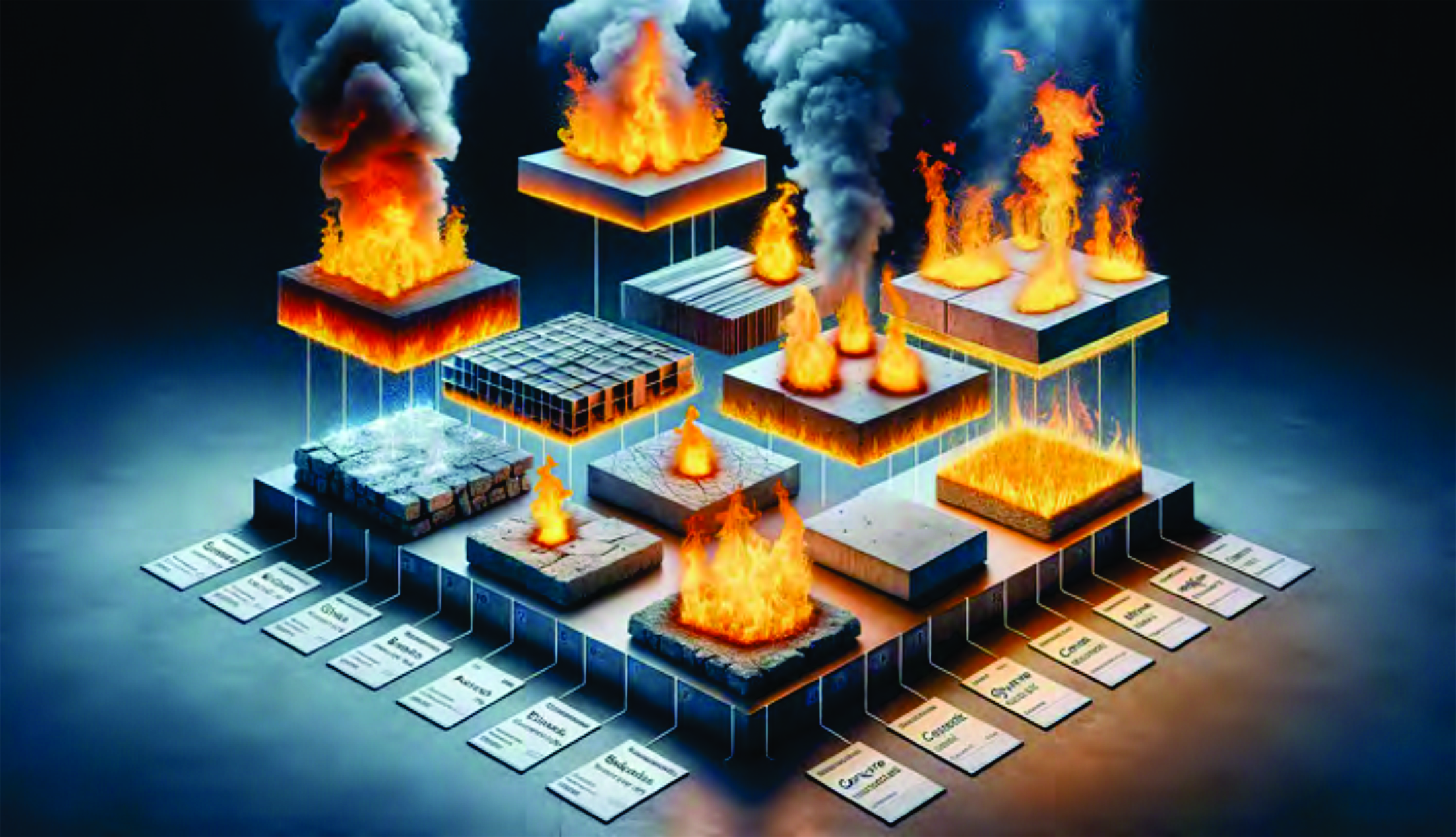
At the core of passive fire protection are fire-resistant building materials. These include fire-rated boards and panels made from gypsum, calcium silicate, and mineral wool, which are used to construct partitions, ceilings, and enclosures that compartmentalize fire. Fire-rated concrete and masonry, enhanced with special aggregates, provide structural endurance under extreme heat. Fire-rated glass, often laminated with intumescent layers, offers transparency without compromising safety, making it ideal for doors, facades, and partitions in modern architecture. These materials form the backbone of fire containment, ensuring that flames and smoke are restricted to their point of origin for as long as possible.
Fire doors and shutters are another critical category of passive fire protection products. Fire doors, constructed from steel, timber, or composite materials, are rated to withstand fire for 30, 60, 90, or even 120 minutes. They are equipped with intumescent seals that expand under heat, smoke seals to prevent toxic fumes from escaping, and self-closing mechanisms to ensure they function automatically during emergencies. Fire shutters, typically used in commercial kitchens, warehouses, and shopping malls, roll down to seal off openings and prevent fire from spreading between zones. Complementing these are fire-rated door hardware—hinges, locks, closers, and handles—that are tested to maintain integrity under fire conditions, ensuring the entire door assembly performs as intended.
One of the most overlooked yet vital aspects of passive fire protection is firestopping and penetration sealing. Modern buildings are riddled with service penetrations—pipes, cables, ducts—that breach fire-rated walls and floors. Without proper sealing, these become conduits for fire and smoke. Intumescent sealants are applied around these penetrations; they expand when exposed to heat, sealing the gaps. Fire collars and wraps are installed around plastic pipes, crushing and sealing them during fire exposure. Fire-rated foams fill larger voids and irregular gaps, while putty pads and gaskets protect electrical boxes and outlets. These products ensure that the integrity of fire-rated assemblies is maintained, even when penetrated by essential services.
Intumescent and fire-resistant coatings play a pivotal role in protecting structural elements, especially steel, which loses its strength rapidly under high temperatures. Intumescent paints are applied to steel beams and columns; when exposed to fire, they expand into a thick, charred layer that insulates the metal and delays structural collapse. Cementitious coatings, often used in industrial settings, are thicker and provide robust thermal insulation. Fire-retardant varnishes are used on timber surfaces, reducing flammability while preserving aesthetics—particularly valuable in heritage buildings where visual integrity is as important as safety.
In open-plan spaces and complex architectural designs, fire barriers and curtains offer flexible solutions for controlling fire and smoke movement. Fire curtains are fabric barriers that deploy during a fire, sealing off atriums, lobbies, and escalator shafts. Smoke curtains are designed to channel smoke toward extraction systems, protecting escape routes from inhalation hazards. Fire-resistant ductwork, including insulated HVAC ducts and fire dampers, prevents fire and smoke from traveling through ventilation systems. These products are essential in maintaining compartmentation and ensuring that fire does not leap across open spaces or travel through hidden channels.
Structural fire protection systems are designed to preserve the load-bearing capacity of buildings during fire. Protected steel frameworks, often coated with intumescent or encased in fire-rated boards, ensure that the skeleton of the building remains intact. Fire-rated floor and ceiling systems, built with layered assemblies of boards, insulation, and sealants, maintain separation between levels. Fire-resistant expansion joints, which allow for building movement, are sealed with flexible fire-rated materials to prevent fire spread while accommodating structural shifts. These systems are crucial in high-rise buildings and infrastructure projects where collapse prevention is paramount.
Even the smallest components can have a significant impact on fire safety. Passive fire product accessories include intumescent grilles and vents that allow airflow under normal conditions but seal shut during fire. Fire-rated access panels provide maintenance access without compromising compartmentation. Fire-rated cable trays protect electrical systems from fire damage and ensure circuit integrity for emergency lighting and alarms. These accessories, though often hidden from view, play a vital role in maintaining the continuity of fire-resistant barriers and systems.
Passive fire protection products are used across a wide range of industries and building types. In healthcare facilities, fire doors, firestopping, and smoke curtains protect vulnerable patients and ensure safe evacuation. Data centers rely on fire-rated cable trays and penetration seals to safeguard critical infrastructure. Hotels and malls use fire curtains, fire-rated glass, and compartmentation walls to protect large crowds and complex layouts. Industrial sites depend on cementitious coatings, fire shutters, and duct protection to manage high-risk environments. Residential buildings incorporate fire doors, intumescent sealants, and fire-rated partitions to ensure family safety and compliance with local codes.
Compliance with fire safety standards is non-negotiable. Passive fire protection products must meet rigorous testing and certification requirements. Standards such as UL 263 and ASTM E119 in the U.S., BS EN 1366 and BS 476 in the UK, IS 1642–1646 in India, and EN 13501 in the EU govern the fire resistance of building elements and installations. Certified products tested by accredited laboratories ensure reliability and performance. Proper installation, in accordance with manufacturer guidelines and local regulations, is essential to achieving the intended fire resistance.
Innovation in passive fire protection is accelerating, driven by the need for smarter, more efficient solutions. Hybrid fire barriers now combine smoke and fire control in a single system. Nano-enhanced coatings offer thinner, stronger protection with improved aesthetics. Pre-engineered modular firestop systems simplify installation and reduce labor costs. Digital tagging and inspection tools help track compliance and maintenance, ensuring that fire safety remains up-to-date and verifiable. These advancements are making passive fire protection more adaptable, sustainable, and cost-effective.
In conclusion, passive fire protection products are not just components—they are the silent shield that guards buildings from disaster. From the walls that hold back flames to the coatings that preserve steel, each product plays a vital role in creating fire-resilient environments. As urban development continues to rise and buildings become more complex, the importance of integrating a full suite of passive fire protection products cannot be overstated. Whether you're an architect, engineer, builder, or occupant, understanding and implementing these systems is essential for safety, compliance, and peace of mind.