Passive Fire Stopping Solutions for Electrical and Mechanical Penetrations
Every modern building requires a network of electrical conduits, plumbing pipes, and mechanical systems that pass through walls, floors, and ceilings. While essential, these penetrations create vulnerabilities that allow fire and smoke to spread rapidly. Passive fire stopping solutions ensure these pathways are sealed during a fire, maintaining compartmentation and protecting lives.
THE PROBLEM OF PENETRATIONS
Even the best fire-rated walls and floors lose their effectiveness if penetrations are left untreated. Cables, pipes, and ducts create small but critical gaps that act as fire highways. Without proper fire stopping, smoke and flames can bypass barriers in minutes, undermining the entire passive fire protection system.
TYPES OF PASSIVE FIRE STOPPING SOLUTIONS
- Fire-resistant sealants – Applied around cables and small gaps, they expand during fire to seal openings.
- Fire collars – Installed around plastic pipes; they crush the pipe when exposed to heat and block fire spread.
- Intumescent wraps and pillows – Flexible materials placed around irregular penetrations, expanding under heat.
- Mortar barriers - Used in large penetrations for a durable fire-rated seal.
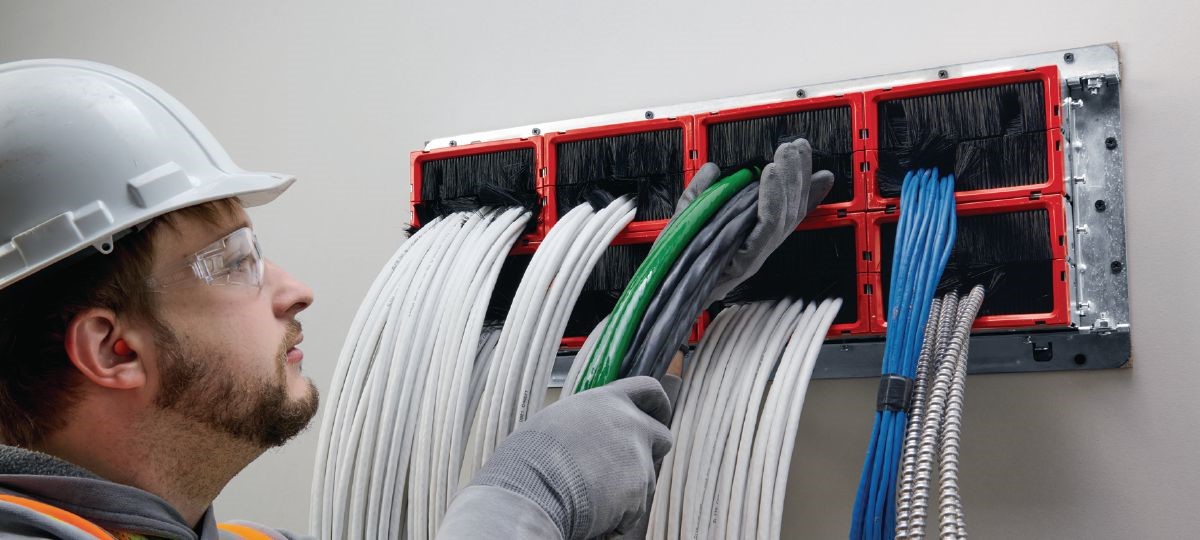
- Pre-formed Blocks and Plugs - Allow easy maintenance access while ensuring fire resistance.
APPLICATIONS IN ELECTRICAL PENETRATIONS
Electrical cables are highly flammable and often bundled through small openings. Fire stopping solutions like intumescent sealants and cable wraps prevent fire from traveling along these routes. In data centers, hospitals, and high-rise offices, these solutions are critical to maintain both fire safety and uninterrupted power supply.
APPLICATIONS IN MECHANICAL PENETRATIONS
- Water pipes – Protected with fire collars and wraps.
- HVAC ducts – Fire dampers combined with sealants prevent flame spread.
- Gas pipes – Special fire-rated enclosures and collars are required.
- Mixed penetrations – Mortar or modular blocks handle complex openings.
STANDARD AND TESTING
Fire stopping products are tested under standards such as ASTM E814, UL 1479, and EN 1366-3. In India, IS codes and NBC guidelines mandate fire stopping for all service penetrations. Testing ensures products deliver rated performance usually 60, 90, or 120 minutes of fire resistance.
BENEFITS OF FIRE STOPPING
- Maintains fire compartmentation.
- Prevents smoke leakage, the primary cause of fire deaths.
- Reduces property damage by containing fire to origin zones.
- Enhances compliance with building codes and insurance requirements.
CHALLENGES IN IMPLEMENTATION
Despite their importance, fire stopping solutions are often neglected during construction. Poor installation, use of uncertified materials, or leaving gaps for future maintenance compromises safety. Another challenge is retrofitting fire stopping in existing buildings, which requires specialized techniques and skilled labor.
INNOVATIONS IN FIRE STOPPING
- Eco-friendly intumescent materials –Sustainable alternatives with low toxicity.
- Modular fire stopping systems – Allow easy inspection and re-entry for maintenance.
- Smart fire stopping – Integration with sensors to detect heat or smoke at penetrations.
- Lightweight mortar alternatives - Easier installation with reduced structural load.
CASE EXAMPLE
In a recent hospital fire case, investigators found that untreated cable penetrations allowed smoke to travel between floors, worsening casualties. Proper use of fire collars and sealants could have contained the smoke. This highlights why strict enforcement of passive fire stopping is a life-saving necessity.
CONCLUSION
Passive fire stopping solutions may seem like small details, but they form a vital link in the safety chain. By sealing penetrations in electrical and mechanical systems, they preserve compartmentation and protect occupants. As construction grows more complex, investing in certified, well-installed fire stopping systems is essential for resilient buildings.