The Importance of Passive Fire Protection in Data Centers
In the digital age, data is often referred to as the “new oil,” driving economies, businesses, and everyday life. Behind the seamless functioning of apps, online services, banking systems, and government platforms are sprawling facilities known as data centers. These high-tech hubs operate around the clock, storing and processing massive volumes of information. But as essential as they are, data centers face significant fire safety challenges. With high electrical loads, dense equipment layouts, and constant energy demands, the risk of fire is ever-present. While active fire protection systems like sprinklers and gaseous suppression are widely discussed, passive fire protection forms the backbone of resilience in these facilities. By containing fire at its source and preventing spread, passive systems provide critical protection for infrastructure, personnel, and operations.
One of the primary risks in data centers is the sheer density of electrical equipment. Rows of servers, cabling, and cooling systems create a web of potential ignition sources. Electrical faults, overheating, and short circuits can quickly spark fires. Unlike conventional buildings, data centers cannot afford extended downtime. Even a short disruption can cost millions of dollars, disrupt essential services, and damage reputation. In such environments, passive fire protection provides the first line of defense, ensuring that any fire is contained within a small section of the facility without compromising the entire operation.
Compartmentation is one of the most important passive fire strategies for data centers. By dividing the facility into fire-rated sections, compartmentation prevents flames and smoke from traveling unchecked across server halls. Fire-resistant walls, floors, and ceilings ensure that a blaze in one area does not cascade into a catastrophic event. In addition, fire-rated cable trays and penetrations sealed with intumescent materials prevent fire spread through service routes. This level of protection buys valuable time for intervention while minimizing damage to unaffected sections.
Fire-resistant doors and windows are equally important. Access points in data centers, often overlooked, can become weak links in fire safety. Installing certified fire doors with intumescent strips ensures that evacuation routes and critical rooms remain protected. For areas with glass partitions, fire-resistant glazing offers transparency without compromising safety. Together, these systems integrate seamlessly into the architectural design while delivering life-saving protection.
Another critical element is fireproofing structural components. Data centers are built to house heavy equipment, which means steel frameworks and load-bearing structures play a central role. Under intense heat, steel can lose strength within minutes, leading to collapse. Applying fire-resistant coatings, sprays, or boards protects structural integrity, ensuring that the building remains stable during fire emergencies. This is particularly vital in multi-story data centers where collapse could destroy millions of dollars’ worth of equipment in a matter of minutes.
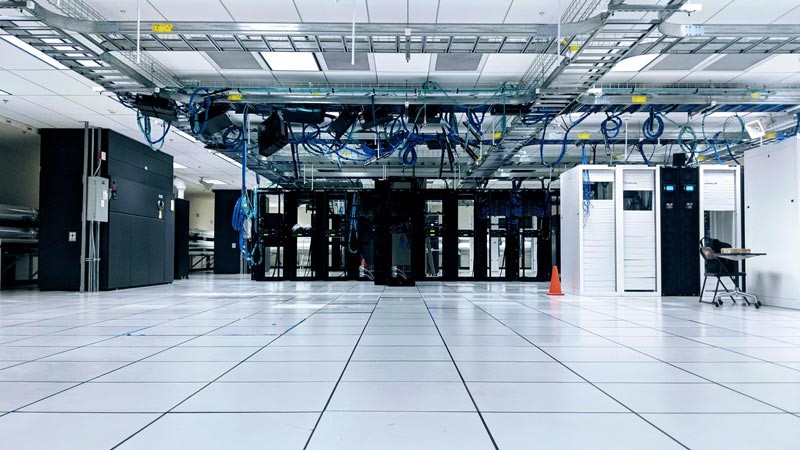
Cable management poses unique challenges in these facilities. Thousands of cables crisscross server rooms and ceilings, creating pathways for fire to spread rapidly. Passive fire-stopping materials, such as intumescent wraps, sealants, and collars, are essential in closing gaps around cables and pipes. When exposed to heat, these materials expand, sealing off voids and preventing fire and smoke from moving into adjacent compartments. Proper cable penetration sealing is often the difference between a contained fire and one that disrupts an entire data hall.
The role of standards and compliance in data center fire safety cannot be overstated. Global frameworks like NFPA 75 (Standard for the Fire Protection of Information Technology Equipment) and NFPA 76 (Telecommunications Facilities) provide guidelines on protecting electronic equipment. In India, the National Building Code and BIS standards emphasize fire-resistant construction and materials. However, many facilities still under-prioritize passive measures, focusing heavily on active suppression systems. A truly resilient fire strategy requires both passive and active systems working together.
Maintenance is another critical factor. Passive Fire Systems are often hidden and thus prone to being neglected. Over time, construction changes, retrofitting, or cable upgrades can compromise fire barriers. For instance, when new cables are pulled through existing penetrations, workers may fail to reseal the openings with fire-stopping compounds. Regular inspections, documentation, and audits are essential to ensure that passive systems remain effective. Facility managers must treat passive fire protection as an ongoing process rather than a one-time installation.
The future of passive fire protection in data centers is being shaped by innovation. Fire-resistant boards made from eco-friendly composites are gaining traction, offering both sustainability and performance. Intumescent coatings with improved durability ensure long-term protection of structural steel. Smart monitoring systems, integrated with building management software, are emerging to provide real-time updates on the health of passive barriers. By combining technology with traditional materials, data centers can achieve higher levels of resilience while aligning with green building standards.
Globally, the demand for data centers is only increasing, driven by cloud computing, artificial intelligence, and digital transformation. With this growth comes a responsibility to ensure that facilities are not only energy-efficient and high-performing but also fire-safe. Passive fire protection may not be as visible as cutting-edge cooling systems or advanced cybersecurity measures, but it is just as crucial. It forms the invisible shield that ensures business continuity, protects investments, and most importantly, safeguards lives.
In conclusion, the importance of passive fire protection in data centers cannot be overstated. It addresses unique risks, prevents fire escalation, and provides resilience in facilities that the world depends on daily. By prioritizing compartmentation, fire-stopping, structural fireproofing, and compliance with standards, data centers can ensure uninterrupted service even in the face of fire hazards. In an age where data is the backbone of progress, protecting the infrastructure that holds it is not optional it is imperative.