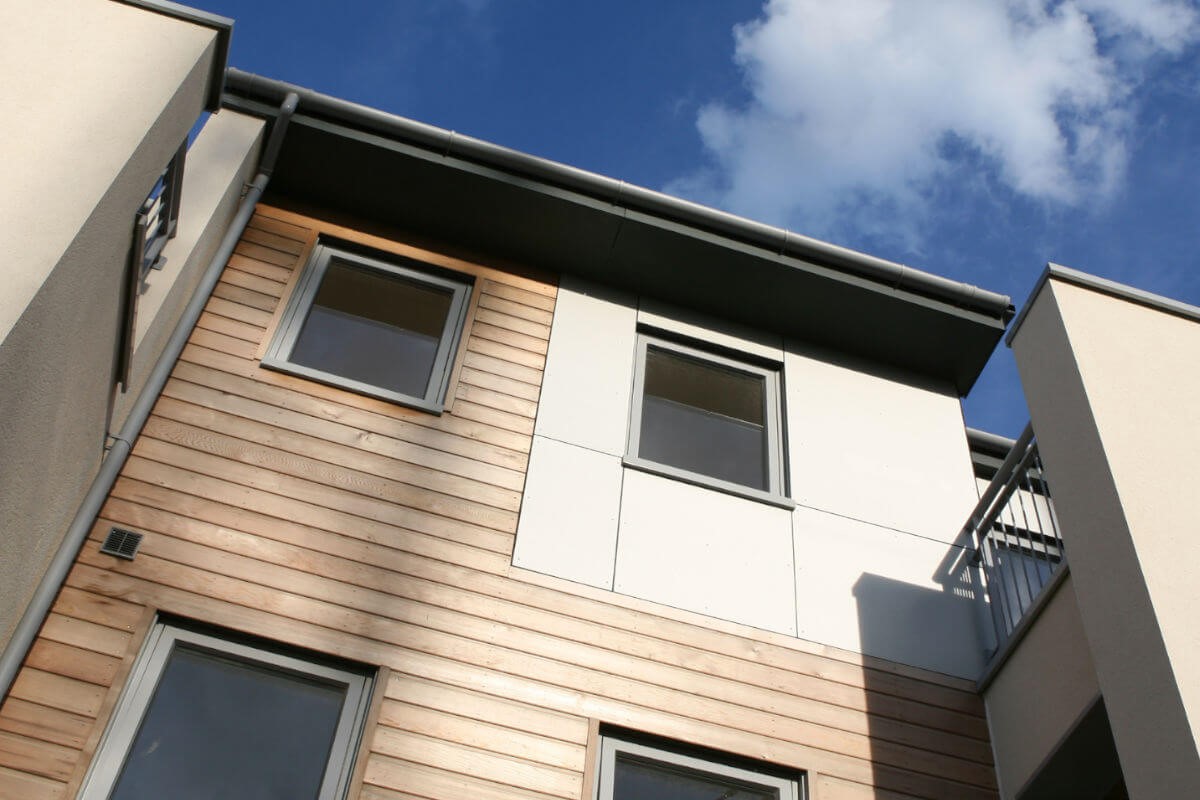
The Role of Fire-Resistant Cladding in Building Envelopes
The skyline of every modern city is defined by its buildings’ facades. Architects and developers use cladding not just for aesthetics but also for insulation, weather protection, and energy efficiency. However, the choice of cladding material plays a critical role in fire safety. In recent years, tragic incidents across the globe have shown how non-compliant cladding can turn a small blaze into a catastrophic inferno.
For India, where rapid urbanization is reshaping cities, the integration of fire-resistant cladding into building design is no longer a choice but a necessity. The building envelope must not only be sustainable and stylish but also act as a barrier against fire spread.
WHAT IS FIRE-RESISTANT CLADDING?
Cladding refers to the external layer of a building envelope that protects it from environmental stressors. Fire-resistant cladding is specifically engineered to withstand high temperatures, resist ignition, and prevent fire propagation. Its function is not merely to resist flames but to delay fire spread long enough for occupants to evacuate and emergency responders to intervene.
The efficiency of fire-resistant cladding lies in its material composition, testing, and integration with the overall passive fire safety plan.
LESSONS FROM GLOBAL FIRE TRAGEDIES
The importance of fire-resistant cladding became evident after several international tragedies:
- Grenfell Tower Fire, London (2017) – Flammable aluminum composite panels accelerated fire spread, resulting in 72 deaths.
- Address Downtown Hotel Fire, Dubai (2015) – Non-fire-resistant cladding fueled rapid vertical fire movement.
- Lacrosse Tower Fire, Melbourne (2014) – Highlighted how poor material choices can cause fire spread within minutes.
These disasters serve as a wake-up call for regulators, builders, and occupants alike. Fire-resistant cladding is not an option it is a lifesaving necessity.
TYPES OF FIRE-RESISTANCE CLADDING MATERIALS
Several materials are commonly used for fire-safe cladding:
- Fiber Cement Boards – Made from cement and cellulose fibers, they offer excellent fire resistance and durability.
- Terracotta Panels – Naturally non-combustible and sustainable.
- High-Pressure Laminates (HPL) with Fire-Retardant Core – Specially treated for fire safety while offering design flexibility.
- Steel and Aluminum Panels (Fire-Treated) – Non-combustible but require insulation to reduce heat transfer.
- Stone and Concrete Panels – – Naturally resistant, making them popular for premium projects.
Each material must comply with national and international testing standards to be deemed fire-resistant.
FIRE- RESISTANT CLADDING AND BUILDING CODES IN INDIA
India’s National Building Code (NBC 2016) emphasizes the use of non-combustible materials in external walls of high-rise buildings. It prohibits combustible cladding and mandates compliance with IS 3809 (fire resistance test methods) and other BIS standards.
Despite these guidelines, enforcement remains a challenge. Many mid-range projects still use cheaper, non-tested cladding to reduce costs. Strengthening compliance and awareness is essential to prevent disasters similar to Grenfell.
PERFORMANCE CRITERIA FOR FIRE-RESISTANT CLADDING
The effectiveness of cladding is determined by:
- Ignitability – How easily the material catches fire.
- Flame Spread Index – Speed at which flames move across its surface.
- Smoke Production – Lower smoke generation reduces suffocation risk.
- Heat Release Rate – Determines how much heat is generated when exposed to fire.
- Structural Integrity – The ability to remain intact under fire conditions.
Testing under standards such as ASTM E84 and EN 13501-1 ensures materials meet fire-safety performance thresholds.
INTEGRATION WITH PASSIVE FIRE SAFETY
Fire-resistant cladding does not work in isolation. It must be integrated with:
- Fire Barriers Between Floors-Prevent vertical fire spread.
- Compartmentation Walls- Limit fire zones.
- Fire-Stopping Sealants- Seal joints and penetrations in cladding systems.
- Sprinkler Systems – Provide active fire suppression as a backup.
Together, these measures create a holistic fire-safe building envelope.
THE INDIAN SCENARIO: CHALLENGES AND OPPORTUNITIES
India’s construction boom, particularly in Tier 1 and Tier 2 cities, has led to heavy use of cladding for modern glass and panel buildings. However, challenges include:
- Cost-Driven Material Choices –Developers often prioritize savings over safety.
- Low Awareness – Occupants and builders underestimate cladding’s role in fire spread.
- Testing Infrastructure Gaps – Limited facilities to certify fire-resistant materials.
On the other hand, opportunities are emerging:
- Government Push for Safer Urban Infrastructure
- Rise of Green Buildings where sustainable yet fire-safe cladding is in demand.
- Smart Cities Mission, which mandates international safety standards in construction.
INNOVATIONS IN FIRE-RESISITANT CLADDING
New technologies are shaping safer facades:
- Nano-Coatings - Applied to panels to improve fire resistance without altering aesthetics.
- Composite Panels with Non-Combustible Core – Replacing older polyethylene-filled panels.
- Ventilated Facade Systems – Allow smoke dissipation while resisting fire spread.
- Digital Twin Simulations – Testing cladding fire performance virtually before installation.
These solutions bridge the gap between design, sustainability, and fire safety.
CONCLUSION
Cladding is not just a design element it is part of the building’s fire defense system.
Fire-resistant cladding reduces the risk of rapid vertical fire spread, protects occupants, and ensures compliance with safety codes.
For India, the future of urban construction must prioritize cladding materials that are certified, sustainable, and fire-resistant. A building envelope must never compromise on safety for aesthetics. Only when fire safety is treated as integral to design can we ensure resilient, safe, and sustainable cities.