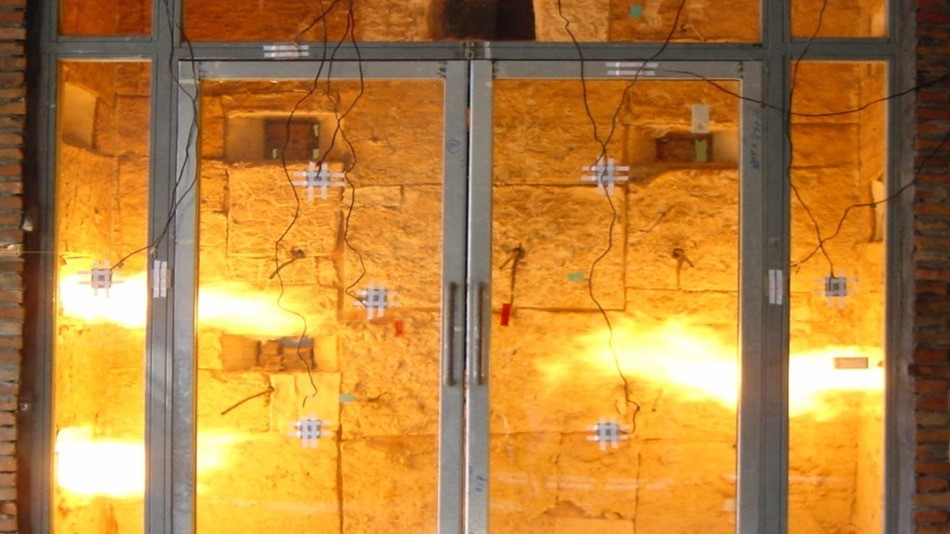
The Science Behind Fire-Resistant Glass in Building Safety
Glass has long been admired for its ability to bring natural light and openness into buildings. However, in fire scenarios, traditional glass shatters quickly, offering no resistance. Fire-resistant glass is engineered to withstand high temperatures, prevent fire spread, and maintain compartmentation, making it an essential element in modern passive fire safety.
THE SCIENCE OF FIRE-RESISTANT GLASS
Unlike ordinary glass, fire-resistant glass is designed to resist thermal shock and remain intact during fire exposure. It is engineered to either contain flames and smoke (integrity) or to also limit heat transfer (insulation). By combining chemical treatments, special laminates, and multi-layered construction, fire glass transforms into a protective shield during emergencies.
TYPES OF FIRE-RESISTANT GLASS
- Tempered fire glass: Heat-strengthened, resists breaking under high temperatures.
- Laminated fire glass: Made by bonding multiple layers with intumescent interlayers that expand in heat.
- Gel-filled fire glass: Contains transparent gel layers that absorb heat and provide insulation.
- Wired glass: Embedded with metal mesh to hold fragments together.
- Clear ceramic glass: Maintains clarity even under high temperatures, suitable for doors and partitions.
HOW FIRE GLASS WORKS
The core principle lies in its ability to resist fire exposure while maintaining transparency. Intumescent interlayers expand and form an opaque barrier, blocking flames and heat radiation. Gel-filled glass absorbs and dissipates heat, keeping the unexposed side cool. These mechanisms ensure safe evacuation time and protection of adjoining spaces.
APPLICATIONS IN BUILDING SAFETY
- Fire doors and windows: Provides both visibility and fire resistance.
- Curtain walls: Maintains compartmentation without compromising architectural design.
- Escape routes: Fire-rated glazing helps guide occupants to safety.
- Control rooms and data centers:Protects sensitive equipment from fire exposure.
- Heritage buildings:Offers modern safety without altering aesthetics.
STANDARDS AND CERTIFICATIONS
Fire glass is rigorously tested under international and Indian standards. EN 1364 and BS 476 define performance requirements in Europe, while ASTM E119 and UL 263 are common in the U.S. In India, IS codes and NBC guidelines mandate fire-rated glass in high-risk buildings, with ratings of 30, 60, 90, or 120 minutes.
BENEFITS OF FIRE- RESISTANT GLASS
- Prevents fire and smoke spread.
- Provides thermal insulation in advanced types.
- Enhances safety while maintaining transparency.
- Allows architects creative flexibility.
- Complies with global fire safety regulations.
CHALLENGES AND LIMITATIONS
Despite its benefits, fire-resistant glass faces challenges in adoption. It is more expensive than standard glass, requires precise framing systems, and must be installed correctly to achieve its rated performance. Uncertified or counterfeit products in the market further risk building safety, making awareness and regulation critical.
FUTURE INNOVATIONS
- Nano-coated fire glass with enhanced clarity and fire resistance.
- Lightweight glazing systems for easier installation.
- Sustainable manufacturing processes reducing environmental impact.
- Smart glass integration combining fire resistance with energy efficiency and automation.
CONCLUSION
Fire-resistant glass is a remarkable fusion of science, safety, and design. By withstanding flames, smoke, and heat, it not only saves lives but also preserves architectural integrity. As buildings grow taller and smarter, the role of certified fire glass will expand, ensuring transparency never compromises safety.